
 Business License

Hunan Jinjiben Trading Co., Ltd.: Your Partner for Cremation Equipment Sourcing from China
When a funeral industry buyer begins searching for cremation equipment from China, the landscape can feel overwhelming. Hundreds of supplier listings, products spanning every configuration from basic manual units to fully automated PLC-controlled systems, and technical documentation that varies dramatically in completeness and accuracy. Finding a supplier is easy. Finding a partner who understands both the equipment and the export process — from factory acceptance testing to customs clearance to on-site commissioning — takes more effort.
Hunan Jinjiben Trading Co., Ltd. was established in 2019 to address exactly that gap. Based in Changsha, Hunan Province, with supply chain partnerships anchored in Shandong — a region with decades of cremation equipment manufacturing heritage — the company bridges the distance between Chinese manufacturing capability and international funeral industry demand. This article provides an overview of who we are, what we supply, and how we work with buyers across four continents to deliver cremation systems that meet local regulatory, technical, and operational requirements.
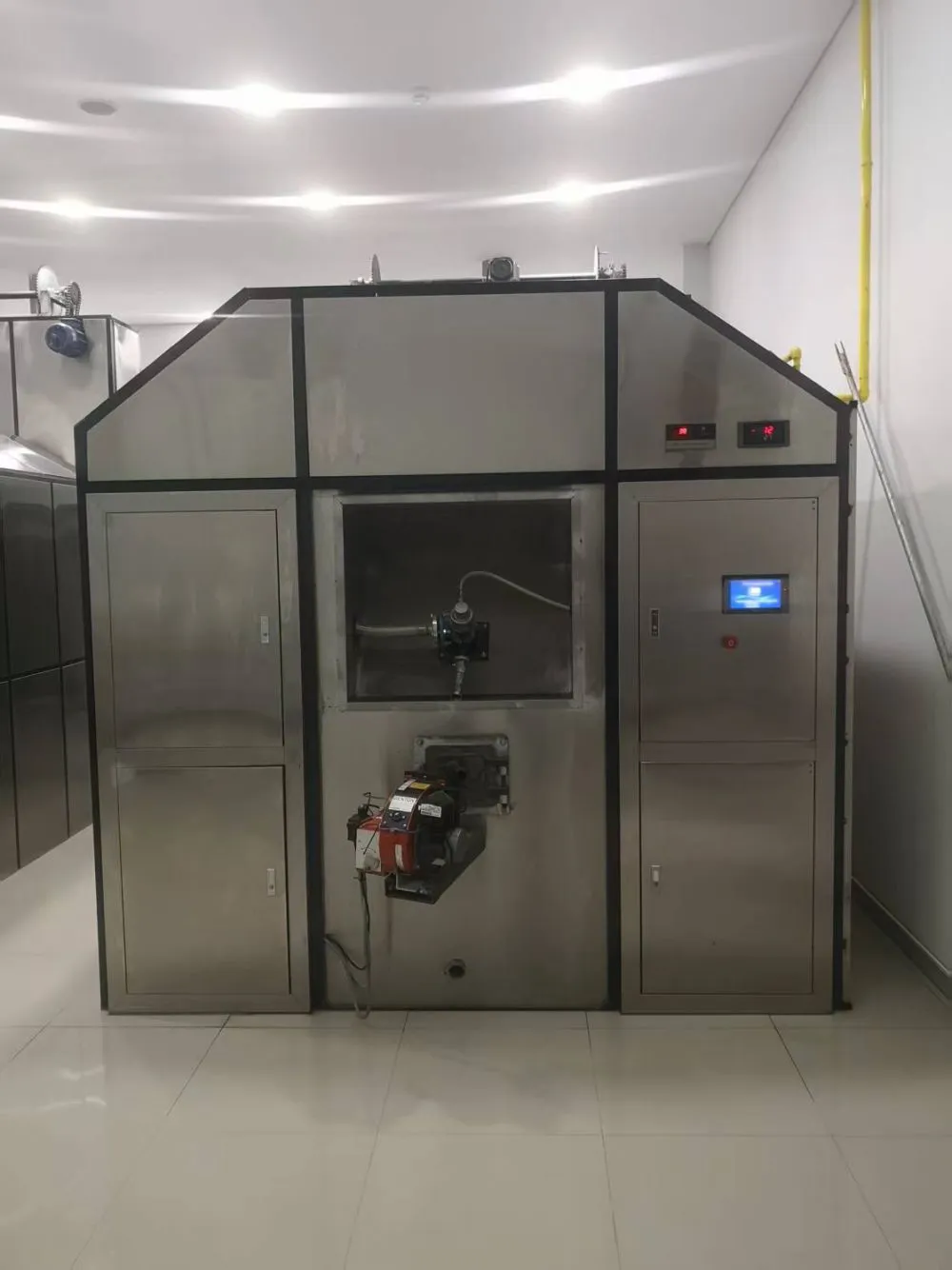
1. Company Profile: Scale, Structure, and Scope
Hunan Jinjiben Trading operates as a specialized trading company focused on waste treatment equipment, with cremation equipment and related funeral machinery as its core product category. The team of 101 to 200 people spans sourcing, quality control, logistics, technical support, and international sales functions. Annual turnover ranges between USD 1 million and USD 2.5 million, reflecting a business model built on managed growth rather than rapid scaling at the expense of quality control.
As a trading company rather than a manufacturer, Jinjiben's value proposition rests on three pillars: supplier qualification and factory audit, multi-vendor sourcing that matches the right manufacturer to each buyer's specific requirements, and end-to-end export management that handles documentation, logistics, and after-sales coordination. This model allows the company to offer a broader product range than any single factory — from human cremation furnaces and pet cremators to cemetery equipment and flue gas treatment systems — while maintaining the quality oversight that direct factory relationships sometimes lack when dealing with international buyers.
2. Product Range: Cremation Systems for Every Scale of Operation
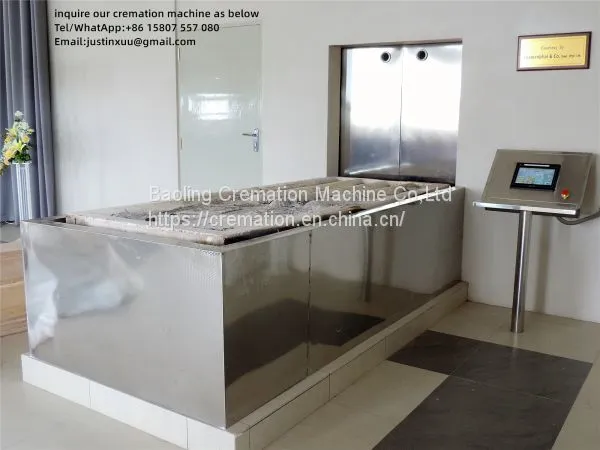
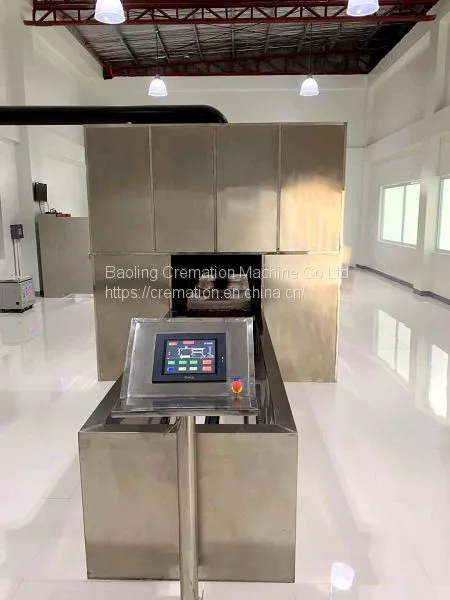
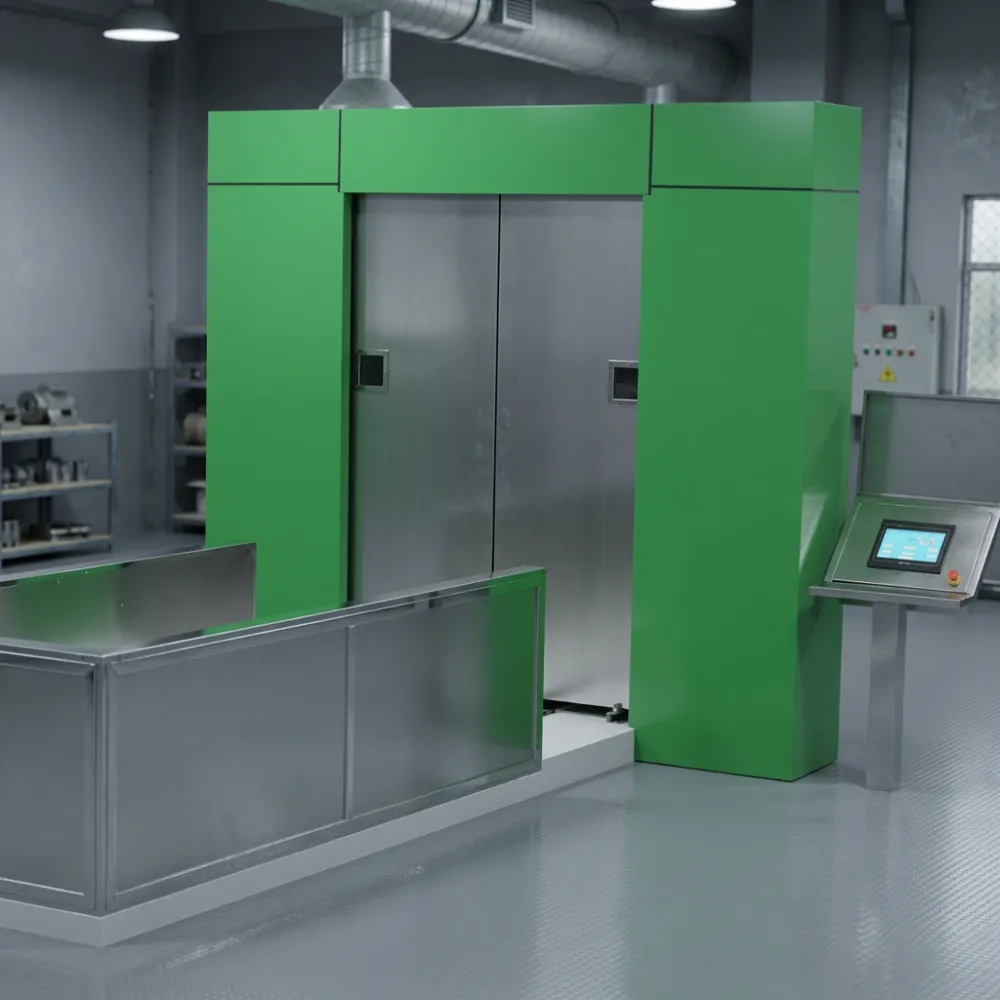
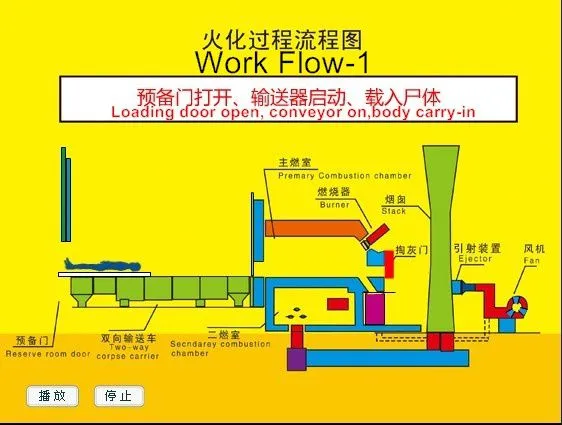
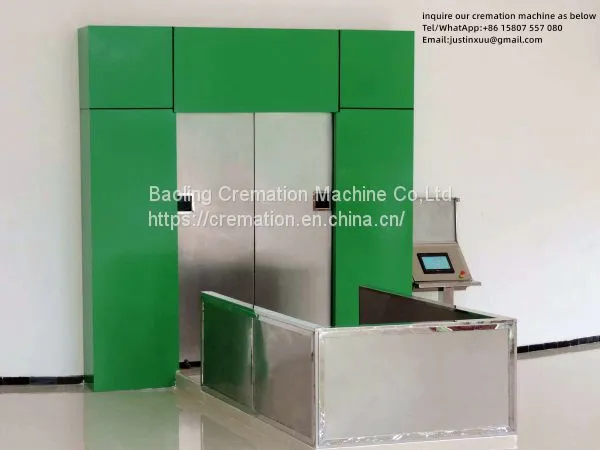
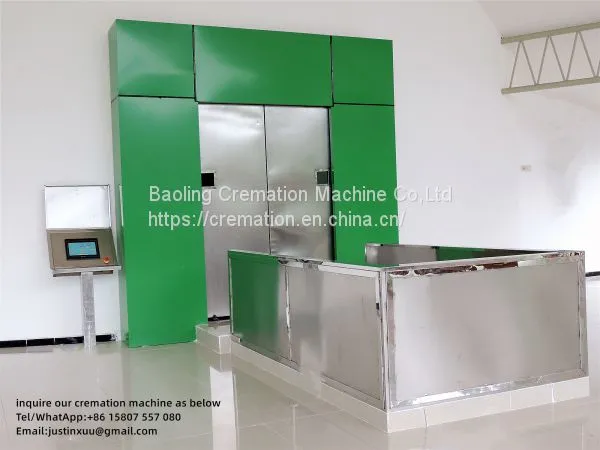
The cremation machines that Jinjiben supplies cover the full spectrum of funeral industry requirements. For municipal crematoriums, the range includes dual-chamber human cremation furnaces with capacities from roughly 100 kg/h to 150 kg/h, supporting six to ten cycles per day in standard operation. PLC-controlled models with touchscreen interfaces, automatic loading systems, and integrated emission monitoring are available for facilities requiring full automation and regulatory compliance documentation.
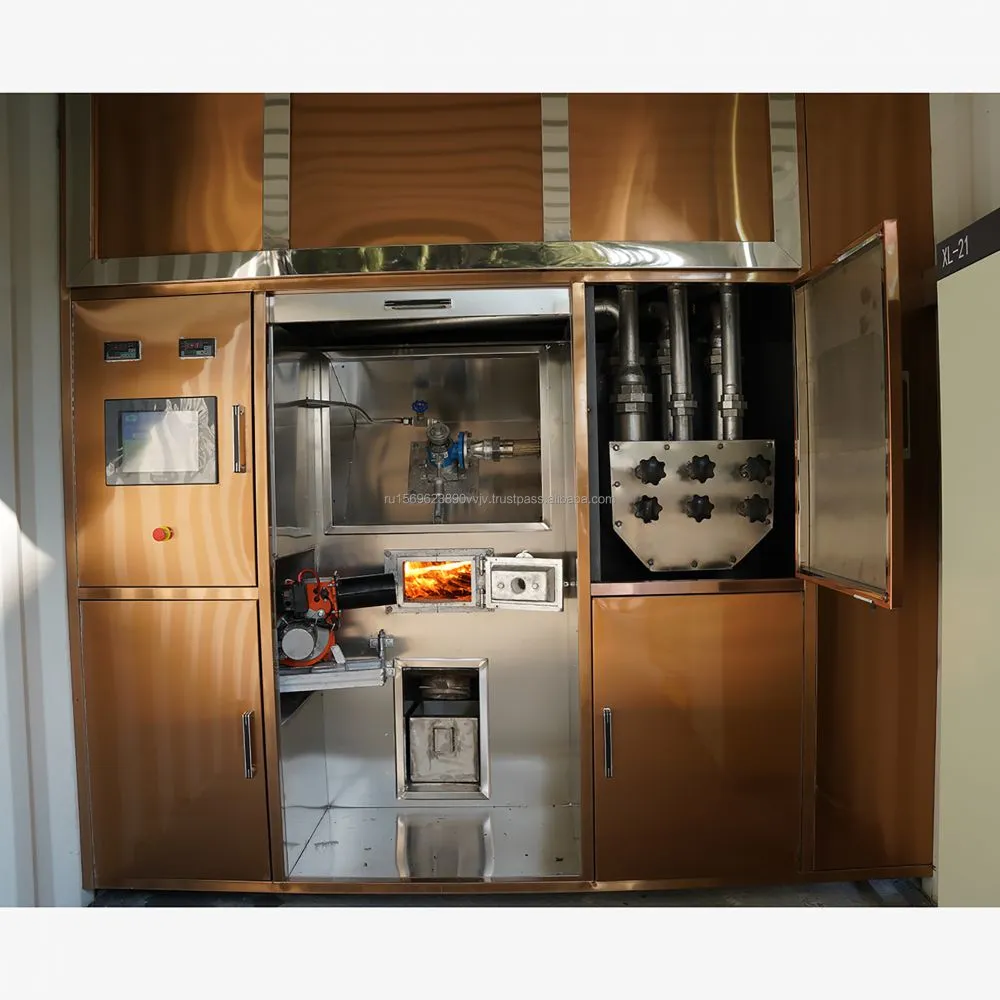
For private funeral homes and smaller operations, the product line includes compact cremation units with footprints as small as roughly 4 to 6 square meters, single-phase electrical options for facilities without three-phase power, and dual-fuel configurations that switch between natural gas and diesel to accommodate regions with intermittent gas supply. Pet cremation equipment covers the smaller end of the capacity spectrum, with units designed for veterinary clinics, pet funeral services, and animal shelters handling cases ranging from small companion animals to large-breed dogs.
| Equipment Category | Typical Capacity | Key Features | Target Facility Type |
|---|---|---|---|
| Human Cremation Furnace (Large) | 100–150 kg/h, 6–10 cycles/day | Dual-chamber, PLC, auto-loading | Municipal crematoriums |
| Human Cremation Furnace (Medium) | 60–100 kg/h, 4–6 cycles/day | Dual-chamber, semi-auto, modular flue treatment | Private funeral homes |
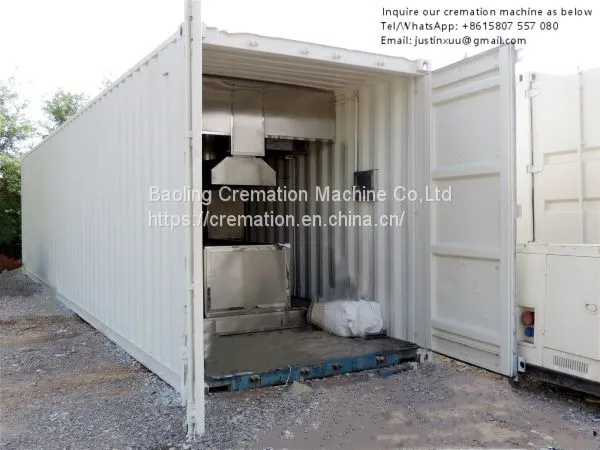
| Mobile/Container Cremation Unit | 40–80 kg/h, 3–5 cycles/day | Containerized, self-contained fuel/power | Remote/rural deployment |
| Pet Cremator | 10–50 kg/h, 3–6 cycles/day | Single/dual-chamber, compact footprint | Veterinary clinics, pet funeral services |
| Cemetery Equipment | N/A | Bone crushers, ash processors, urn storage | Crematoriums, cemeteries |
3. Quality Systems: Certifications and Inspection Protocols
Quality assurance at Hunan Jinjiben Trading rests on a dual foundation: international certifications that validate management systems, and hands-on inspection protocols applied to every shipment. The company holds SA8000 certification for social accountability — covering labor practices, workplace safety, and ethical supply chain management — and ISO 17799 certification for information security management, which governs how technical documentation, buyer specifications, and commercial data are handled throughout the procurement cycle.
Beyond certifications, Jinjiben applies a structured quality control process to each order. Factory audits are conducted before a manufacturer is added to the approved supplier list, evaluating production equipment condition, workforce skill levels, quality management documentation, and previous export track record. For each shipment, a pre-delivery inspection verifies machine dimensions, component specifications against the purchase order, surface finish and weld quality, electrical system function, and refractory lining installation. For buyers who require it, third-party inspection by SGS, Bureau Veritas, or TÜV can be arranged, with the inspection report delivered before the container is sealed.
4. Export Markets: Serving Four Continents
Jinjiben's cremation equipment reaches buyers across North America, South America, Eastern Europe, and Southeast Asia. Each market presents distinct requirements that have shaped the company's sourcing and support capabilities. In Eastern Europe, where EU emission standards apply and CE marking is mandatory, the focus is on fully compliant dual-chamber furnaces with continuous emissions monitoring capability. In Southeast Asia, where infrastructure varies significantly between urban and rural locations, the equipment mix includes both high-automation PLC machines for city crematoriums and dual-fuel units for facilities with unreliable grid power.
In Latin America, where cremation rates have risen rapidly over the past decade — from roughly 20% to 25% regionally a decade ago to roughly 40% to 55% in several major markets — demand has shifted from basic manual units to semi-automatic and fully automatic systems. Jinjiben's Spanish-language technical documentation and regional service partnerships in Latin America reflect the growing importance of this market. The company has also supported buyers in North America, primarily for pet cremation equipment and specialized cemetery machinery, where regulatory requirements favor electric-fired units with specific emission profiles.
5. The Hunan-Shandong Connection: Logistics and Supply Chain
A frequently asked question from prospective buyers concerns the company's operational geography. Hunan Jinjiben Trading is registered and headquartered in Changsha, Hunan Province — a growing logistics hub in central China with rail, river, and highway connections to major export ports. The company's supply chain partnerships, however, are concentrated in Shandong Province, a region with well-established cremation equipment manufacturing clusters and proximity to Qingdao Port, one of China's largest container ports by throughput.
This dual-location model creates a practical advantage for international buyers. Sourcing, quality control, and technical coordination happen at the point of manufacture in Shandong, where Jinjiben's team works directly with factory production lines. Export documentation, commercial negotiation, and buyer communication are managed from the Changsha office.
Containers typically ship from Qingdao Port, with transit times of roughly eighteen to twenty-five days to major European ports, roughly twenty to thirty days to Latin American destinations, and roughly seven to twelve days to Southeast Asian ports. For buyers who prefer to consolidate shipments or route through alternative ports, the logistics team can arrange shipment from Shanghai, Ningbo, or Shenzhen as needed.
6. How We Work: From Inquiry to Commissioning
The typical engagement with Jinjiben follows a structured process designed to surface technical requirements early and avoid the specification mismatches that delay international equipment projects. It begins with a technical questionnaire — covering facility dimensions, power supply characteristics, fuel type availability, coffin size conventions in the buyer's market, local emission standards, and target throughput — rather than a price quotation. This approach reflects the company's conviction that cremation equipment procurement fails most often not because of price but because of specification gaps discovered after delivery.
Once the technical parameters are defined, Jinjiben prepares a quotation that matches the specified requirements to one or more manufacturing partners, with clear documentation of which factory will produce each component and why. Factory acceptance testing, either witnessed by the buyer or conducted by Jinjiben's QC team with documented results, precedes shipment. The company coordinates container loading, ocean freight, customs clearance documentation, and inland transportation to the installation site. On-site commissioning by a factory-trained engineer covers mechanical installation verification, electrical connection, burner calibration, PLC profile setup, and operator training — typically requiring five to seven working days for a standard dual-chamber unit.
Some time ago, a buyer in Southeast Asia approached Jinjiben after a previous supplier had delivered a cremation machine with a burner incompatible with the local LPG composition. The machine had never operated reliably.
Jinjiben's technical team analyzed the gas composition data, matched a burner with appropriate nozzle sizing and air-fuel ratio range, and coordinated installation and commissioning within roughly six weeks of receiving the purchase order. That machine has been running at six to seven cycles per day for over two years with no burner-related downtime. The resolution was not magic — it was the result of asking the right technical questions before selecting the equipment.
7. After-Sales Commitment: Parts, Training, and Long-Term Support
A cremation machine investment spans fifteen to twenty years, and Jinjiben structures its after-sales support accordingly. Spare parts for consumable items — burner nozzles, thermocouples, door seals, refractory patch material — are stocked and can ship within three to seven working days of order confirmation. For critical non-consumable components requiring longer lead times, such as PLC modules, induced draft fan motors, and custom refractory shapes, the company maintains relationships with the original manufacturers and can expedite orders with priority production scheduling when a machine is down.
Remote diagnostic support bridges the gap between a service need and an on-site technician visit. When an operator reports a fault, Jinjiben's technical team can often diagnose the issue through a video call — watching the PLC interface, listening to burner operation, checking error logs — and guide the operator through the resolution without dispatching a technician. For issues that require on-site intervention, the company coordinates with regional service partners to minimize response time. The standard warranty covers manufacturing defects for twelve to twenty-four months depending on the equipment category and destination market, with extended warranty options available for buyers who want additional coverage.
8. Frequently Asked Questions About Working with Hunan Jinjiben Trading
8.1 Is Jinjiben a manufacturer or a trading company, and does that matter for quality?
Jinjiben is a trading company, not a manufacturer. This distinction matters in a positive way for international buyers: the company's role is to select, qualify, and manage manufacturing partners on the buyer's behalf, applying quality control at every stage. A single factory produces what it produces.
A qualified trading company with deep industry knowledge can match the buyer to the right factory for each component — something that matters when a cremation system includes a furnace from one specialist, a flue gas treatment train from another, and a PLC system from a third. The quality outcome depends on the rigor of the QC process, not on whether the company on the invoice operates its own factory floor.
8.2 What information do I need to provide to get an accurate quotation?
A complete quotation for cremation equipment requires: facility dimensions and door access measurements, available power supply (voltage, phase, frequency, and capacity), fuel type and supply pressure, local emission standards and certification requirements, average and peak daily case volume, coffin size and material conventions in your market, and port of destination for freight calculation. Providing all of these upfront avoids the back-and-forth that stretches a two-week quotation process into two months.
8.3 How long does the entire process take from order to commissioning?
From confirmed purchase order to on-site commissioning, a standard cremation machine typically requires roughly ten to fourteen weeks: four to six weeks for manufacturing, one to two weeks for factory acceptance testing and documentation, three to five weeks for ocean freight and customs clearance, and one week for on-site installation and commissioning. Custom configurations, peak-season factory scheduling, and destinations with extended customs processing can add two to four weeks to the timeline. We provide a detailed schedule at the time of order confirmation and update it at each milestone.
8.4 Can Jinjiben help with import regulations and compliance in my country?
Yes. The company provides the documentation package required for customs clearance — commercial invoice, packing list, bill of lading, certificate of origin, and any market-specific certificates (CE Declaration of Conformity for EU destinations, for example). For buyers navigating import regulations for the first time, Jinjiben's logistics team can recommend customs brokers in major destination ports and advise on tariff classification for cremation equipment under the Harmonized System. The company does not provide legal advice on import regulations, but it does ensure that the documentation the buyer needs to clear customs is complete and correctly formatted.
Recently Posted
-
Cremation Equipment for Municipal Crematoriums: High-Volume Solutions for Urban Population Centers
August 13, 2026A municipal crematorium in a Southeast Asian city of roughly two million people found itself operating at 130% of its design capac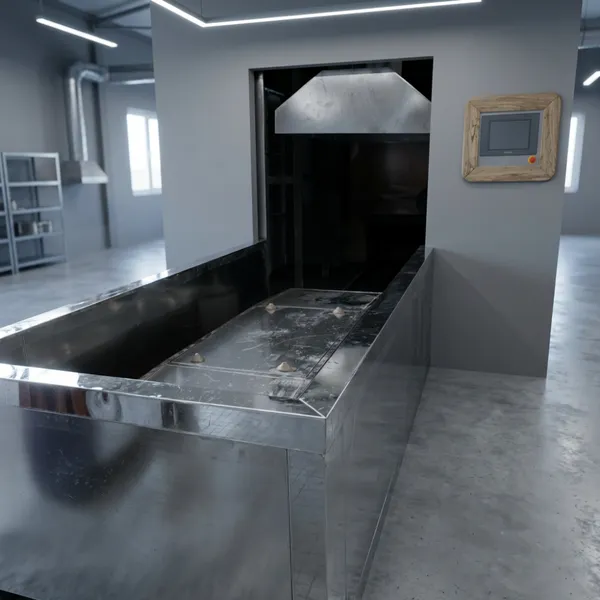 Read More
 -
How to Evaluate a Cremation Equipment Supplier: 10 Decision Factors Beyond Price
August 13, 2026A funeral home operator in Eastern Europe received two quotations for a cremation machine within the same week. Supplier A quoted
Read More -
Refractory Brick Grades for Cremation Furnaces: Silicon Carbide vs. High Alumina vs. Mullite
August 11, 2026A crematorium in South America replaced its primary chamber refractory lining with what the supplier called "standard furnace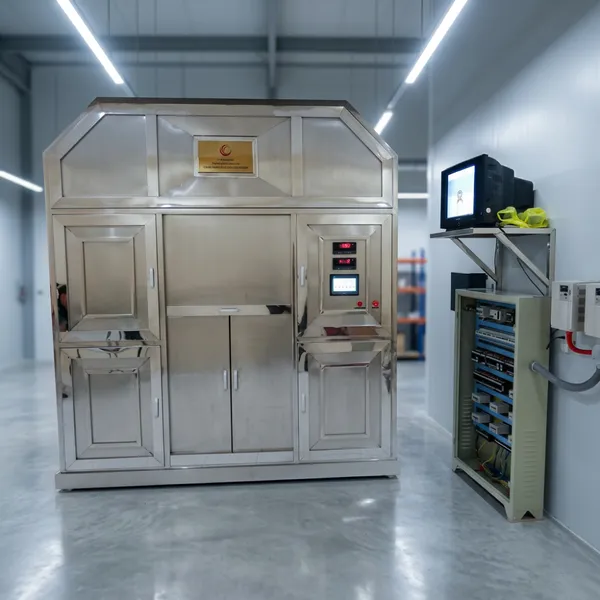 Read More
 -
What Defines a Modern Cremation System: Core Components and Operational Parameters Explained
August 10, 2026Not long ago, a funeral home operator in Eastern Europe took delivery of what the invoice called a "complete cremation system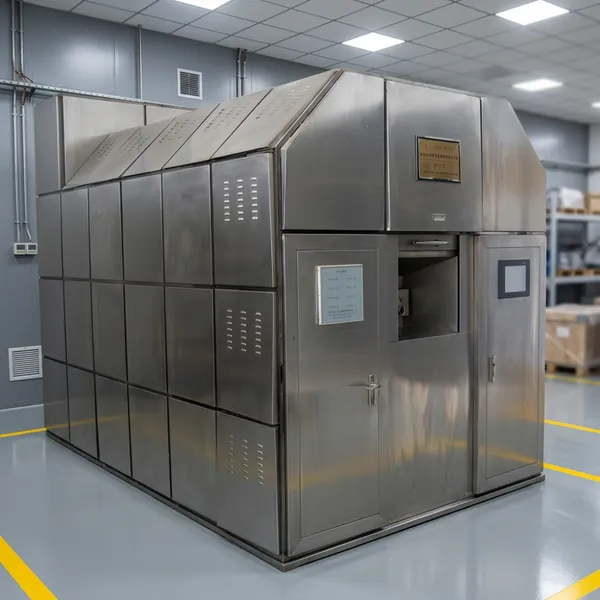 Read More

Contact Us
Recommended Products
-
 Human Cremation Machine Electric Crematorium Machine With 100kg/H Capacity and 18kw Power Crematory EquipmentNegotiableMOQ: 1 Piece
 -
220V/380V Full Automatic Human Crematorium Cremation Machine New Crematory Furnace 18kW Power PLCNegotiableMOQ: 1 Piece
-
New Full Automatic Human Crematory Incinerator Oven No Smoke Cremation Machine Crematory Equipment Crematorium MachineNegotiableMOQ: 1 Set
-
Electric Human Crematorium Machine Full Automatic Cremation Incinerator Indonesia Extra Large Coffin Cremation Electric Human Crematory MachineNegotiableMOQ: 1 Piece
-
Extra Large Coffin Cremation Machine New Technology Human Crematorium Furnace Full Automatic 100kg/h 5-Year WarrantyNegotiableMOQ: 1 Set
-
Human Cremation Machine for Sale Full Automatic Model USA TypeNegotiableMOQ: 1 Set
-
220V/380V Full Automatic Human Crematorium Cremation Machine Crematory Furnace 18kW Power PLC ControlNegotiableMOQ: 1 Set
-
Automatic Human Cremation Machine No Smell No Smoke Latest Human Cremation Technology 50/60HZ Diesel LPG CremationNegotiableMOQ: 1 Set
-
Automatic Human Crematorium Incinerator Crematory Furnace Human Cremation Machine for Wood Coffin CremationUS$ 66000MOQ: 1 Set
-
Electric Human Crematory Machine Cremation Machine No Smoke Crematorium Incinerator Cremation EquipmentUS$ 55000MOQ: 1 Combo
-
220V/380V Full Automatic Human Crematorium Cremation Machine New Crematory Furnace 18kW Power PLC Core Refractory Material 1NegotiableMOQ: 1 Set
-
Cremation Machine Burn Human Body Electrical Crematorium Machine Cremator Crematoria Europe StandardUS$ 5MOQ: 1 Set
-
Cremation System Cremation Oven Fired by Natural Gas no Smoke Human Crematorium Incinerator Crematory EquipmentNegotiableMOQ: 1 Piece
-
Cremation Equipment for Sale Eu Standard Environmental Friendly no Smoke Quick Burning Fast Short Time Cremation Machine No SmellUS$ 1 - 10MOQ: 1 Set
-
Crematorium Oven Machine Container Burn Human Body Mobile Furnace for Sale Crematory Incinerator Cremation Machine Crematory EquipmentUS$ 1 - 10MOQ: 1 Set
-
Container Crematory System Burn Human Death Body Crematoria Emergency Human Cremation Machine Crematorium IncineratorUS$ 1 - 10MOQ: 1 Set
-
Cremation Machine for Australia Market no Smell Human Crematory Machine Automatic Loading Conveyor Cremation EquipmentNegotiableMOQ: 1 Set
-
Global Top Supplier of Crematory Equipment Human Cremators Crematory Equipment Cremation Unit no Smell no SmokeNegotiableMOQ: 1 Kilogram
-
Cremation Machine Human Crematory Burner Equipment Furnace on Wheels Cremation Machine no Smoke USA StandardUS$ 1 - 10MOQ: 1 Piece
-
Automatic Cremation Machine Crematory Equipment for Human Crematorium Equipment Europe Standard EmissionUS$ 1 - 10MOQ: 1 Piece