
 Business License

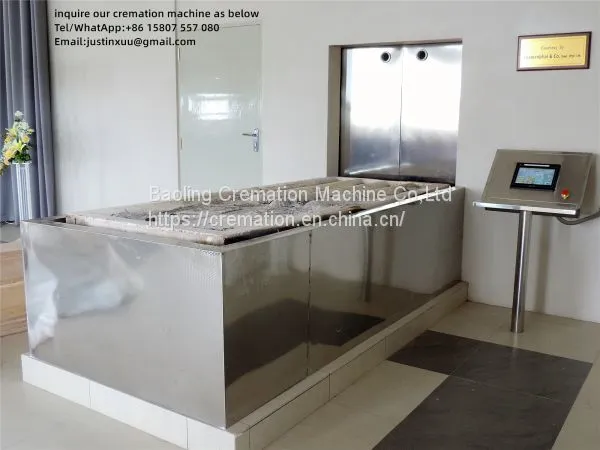
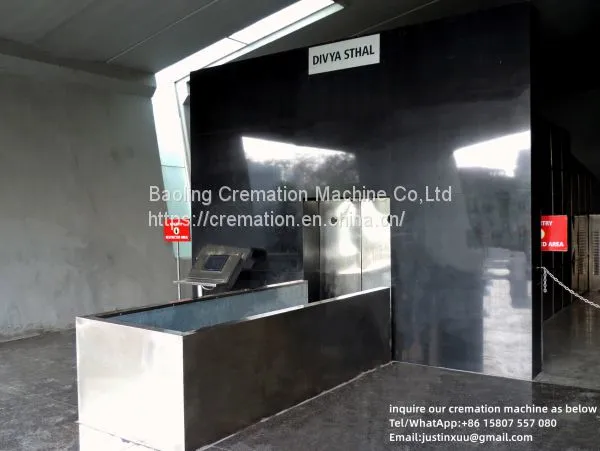
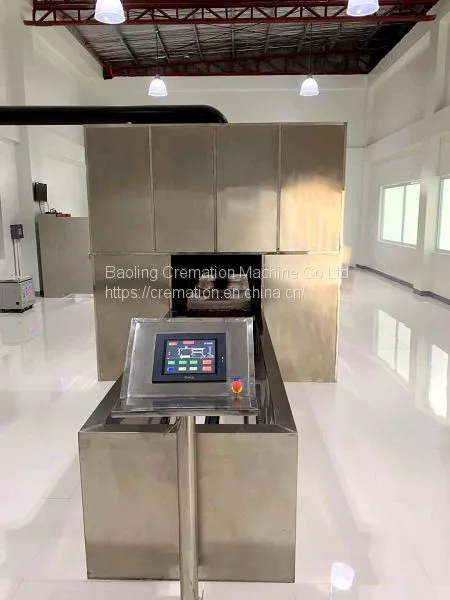
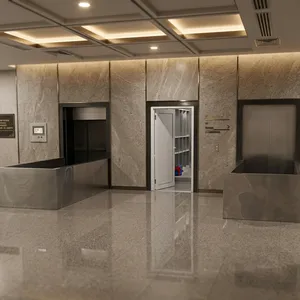
Types of Cremators / Cremation Furnaces human cremation machine models
Types of Cremators / Cremation Furnaces
Full Article for B2B Website & Blog
Cremation furnaces are categorized by different classification standards, including burning object, fuel type, operating automation and structural design. Below is a detailed classification introduction.
1. Classified by Incineration Object
(1) Human Cremator / Funeral Cremation Furnace
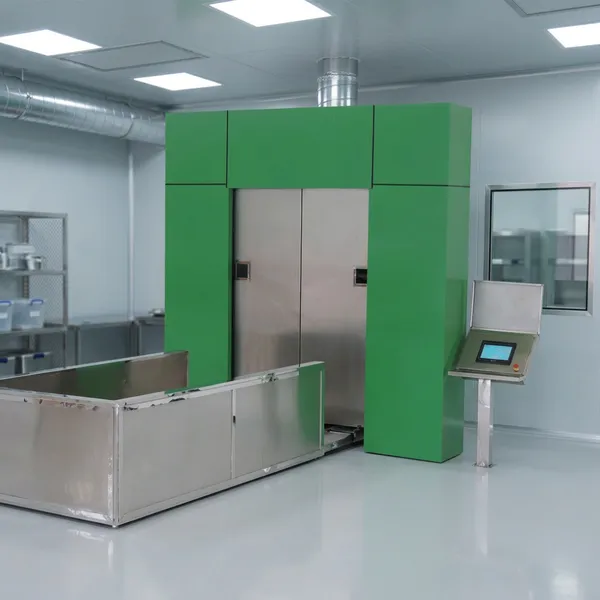
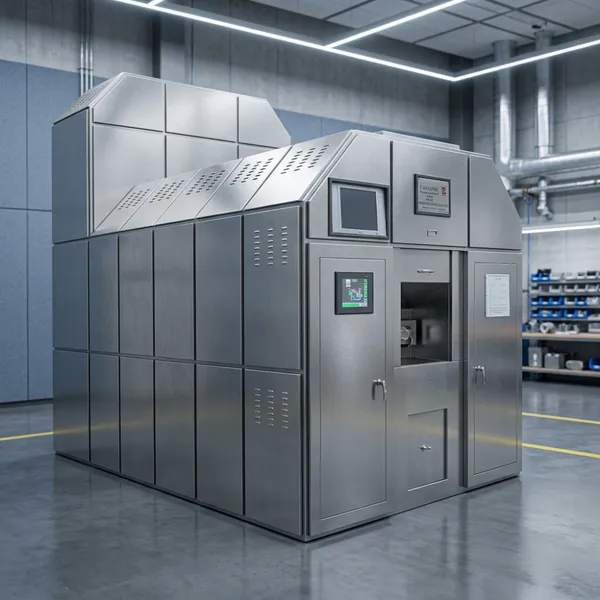
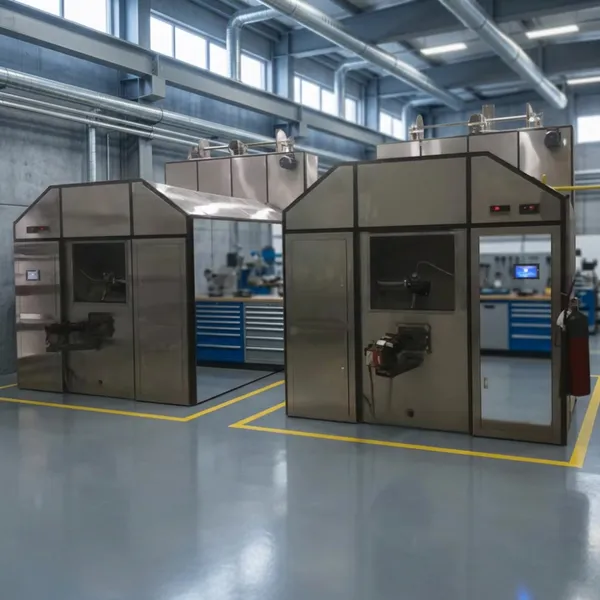
Specially designed for cremating human remains in funeral parlors. Equipped with dual-chamber secondary combustion, complete flue gas purification and sealed ash collection bin, fully compliant with funeral industry environmental standards.
(2) Pet & Animal Cremation Furnace
Small and medium-sized incineration equipment for pets, livestock and animal carcasses. Small footprint, flexible operation, widely used in pet hospitals, farms and animal treatment stations.
(3) Medical Waste Incinerator
For burning medical hazardous waste such as discarded dressings and expired medicines. High temperature resistance and anti-corrosion inner lining are adopted.
2. Classified by Fuel Source
(1) Diesel-Fired Cremator
Diesel serves as combustion fuel. Stable flame, fast temperature rise, suitable for areas without natural gas supply.
(2) Natural Gas / LPG Cremator
Fueled by pipeline natural gas or bottled liquefied petroleum gas. Clean combustion, low operating cost, less soot residue, the mainstream choice for large funeral homes.
(3) Dual-Fuel Cremation Furnace
Supports both diesel and gas switching. Strong adaptability, can switch fuel according to local energy price and supply situation.
3. Classified by Automation Level
(1) Fully Automatic PLC Cremator
Equipped with PLC intelligent control cabinet. Automatically adjust temperature, air intake and burner power throughout the cremation process. Manual intervention is minimal, stable combustion and energy-saving. Most modern funeral halls adopt this type.
(2) Semi-Automatic Cremation Furnace
Basic automatic temperature control, while feeding, ash cleaning and partial parameter adjustment require manual operation. Low equipment cost, fit for small funeral service sites with low daily cremation volume.
(3) Manual Small Cremator
Simple structure, all operations rely on manual control of burners and air valves. Only used for small animal and pet cremation with low burning frequency.
4. Classified by Internal Structure
(1) Double-Chamber Cremator (Primary + Secondary Combustion Chamber)
The mainstream environmental protection model. The primary chamber burns remains, and the secondary afterburner cracks smoke and harmful gas above 850℃, effectively removing black smoke and odor.
(2) Single-Chamber Simple Incinerator
Only one combustion cavity without secondary flue gas treatment chamber. Low cost, but serious smoke and odor pollution, gradually phased out by environmental protection regulations.
(3) Rotary Cremation Furnace
With rotary furnace liner to achieve uniform heating. Good for evenly burning large-volume waste, rarely used for human body cremation.
Core Vocabulary
classification standard
dual-chamber structure
PLC intelligent control PLC
diesel /natural gas fuel
flue gas purification
fully automatic /semi-automatic
funeral parlor
Short SEO Version (for product listing)
Cremation furnaces can be divided into human cremators, pet cremators and medical waste incinerators based on burning materials. By fuel, they include gas, diesel and dual-fuel types. In terms of automation, there are fully automatic PLC models, semi-automatic and manual small furnaces. Double-chamber environmental cremators are the most widely used type in modern funeral industries.
Recently Posted
-
Hunan Jinjiben Trading Co., Ltd.: Your Partner for Cremation Equipment Sourcing from China
August 14, 2026When a funeral industry buyer begins searching for cremation equipment from China, the landscape can feel overwhelming. Hundreds o Read More
 -
Cremation Equipment for Municipal Crematoriums: High-Volume Solutions for Urban Population Centers
August 13, 2026A municipal crematorium in a Southeast Asian city of roughly two million people found itself operating at 130% of its design capac Read More
 -
How to Evaluate a Cremation Equipment Supplier: 10 Decision Factors Beyond Price
August 13, 2026A funeral home operator in Eastern Europe received two quotations for a cremation machine within the same week. Supplier A quoted
Read More -
Refractory Brick Grades for Cremation Furnaces: Silicon Carbide vs. High Alumina vs. Mullite
August 11, 2026A crematorium in South America replaced its primary chamber refractory lining with what the supplier called "standard furnace
Read More

Contact Us
Recommended Products
-
 Human Cremation Machine Electric Crematorium Machine With 100kg/H Capacity and 18kw Power Crematory EquipmentNegotiableMOQ: 1 Piece
 -
220V/380V Full Automatic Human Crematorium Cremation Machine New Crematory Furnace 18kW Power PLCNegotiableMOQ: 1 Piece
-
New Full Automatic Human Crematory Incinerator Oven No Smoke Cremation Machine Crematory Equipment Crematorium MachineNegotiableMOQ: 1 Set
-
Electric Human Crematorium Machine Full Automatic Cremation Incinerator Indonesia Extra Large Coffin Cremation Electric Human Crematory MachineNegotiableMOQ: 1 Piece
-
Extra Large Coffin Cremation Machine New Technology Human Crematorium Furnace Full Automatic 100kg/h 5-Year WarrantyNegotiableMOQ: 1 Set
-
Human Cremation Machine for Sale Full Automatic Model USA TypeNegotiableMOQ: 1 Set
-
220V/380V Full Automatic Human Crematorium Cremation Machine Crematory Furnace 18kW Power PLC ControlNegotiableMOQ: 1 Set
-
Automatic Human Cremation Machine No Smell No Smoke Latest Human Cremation Technology 50/60HZ Diesel LPG CremationNegotiableMOQ: 1 Set
-
Automatic Human Crematorium Incinerator Crematory Furnace Human Cremation Machine for Wood Coffin CremationUS$ 66000MOQ: 1 Set
-
Electric Human Crematory Machine Cremation Machine No Smoke Crematorium Incinerator Cremation EquipmentUS$ 55000MOQ: 1 Combo
-
220V/380V Full Automatic Human Crematorium Cremation Machine New Crematory Furnace 18kW Power PLC Core Refractory Material 1NegotiableMOQ: 1 Set
-
Cremation Machine Burn Human Body Electrical Crematorium Machine Cremator Crematoria Europe StandardUS$ 5MOQ: 1 Set
-
Cremation System Cremation Oven Fired by Natural Gas no Smoke Human Crematorium Incinerator Crematory EquipmentNegotiableMOQ: 1 Piece
-
Cremation Equipment for Sale Eu Standard Environmental Friendly no Smoke Quick Burning Fast Short Time Cremation Machine No SmellUS$ 1 - 10MOQ: 1 Set
-
Crematorium Oven Machine Container Burn Human Body Mobile Furnace for Sale Crematory Incinerator Cremation Machine Crematory EquipmentUS$ 1 - 10MOQ: 1 Set
-
Container Crematory System Burn Human Death Body Crematoria Emergency Human Cremation Machine Crematorium IncineratorUS$ 1 - 10MOQ: 1 Set
-
Cremation Machine for Australia Market no Smell Human Crematory Machine Automatic Loading Conveyor Cremation EquipmentNegotiableMOQ: 1 Set
-
Global Top Supplier of Crematory Equipment Human Cremators Crematory Equipment Cremation Unit no Smell no SmokeNegotiableMOQ: 1 Kilogram
-
Cremation Machine Human Crematory Burner Equipment Furnace on Wheels Cremation Machine no Smoke USA StandardUS$ 1 - 10MOQ: 1 Piece
-
Automatic Cremation Machine Crematory Equipment for Human Crematorium Equipment Europe Standard EmissionUS$ 1 - 10MOQ: 1 Piece