
 Business License

Stainless Steel in Cremation Equipment Construction: Grade Selection for Durability and Corrosion Re
A while back, an operator in a coastal city reported recurring pitting on the outer shell of a cremator that was just four years old. The manufacturer inspected the unit and found corrosion concentrated around the flue duct penetration and the door frame seals. The root cause was not poor craftsmanship. The fabricator had used grade 304 stainless steel in zones where chloride-laden condensation and acidic flue gas demanded a higher-grade alloy.
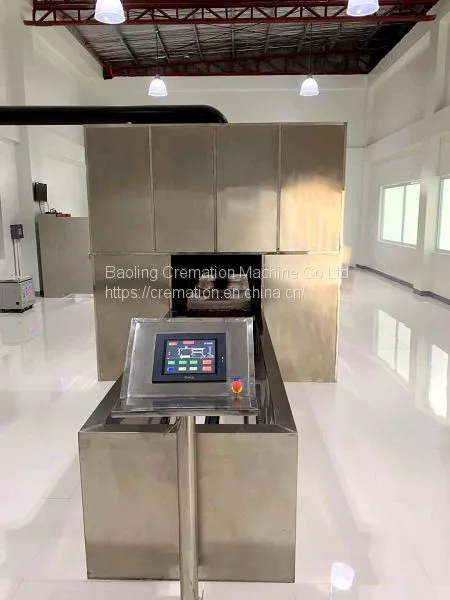
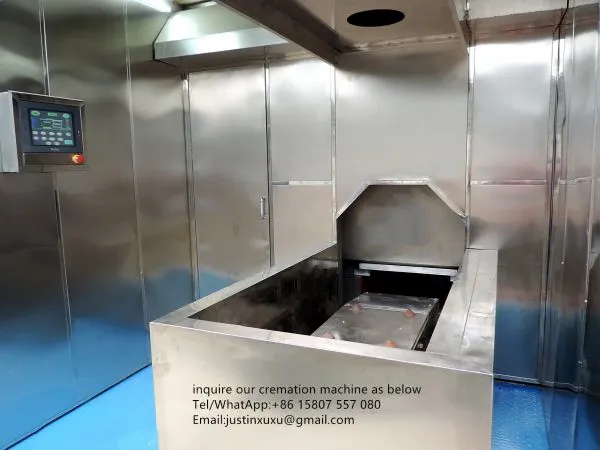
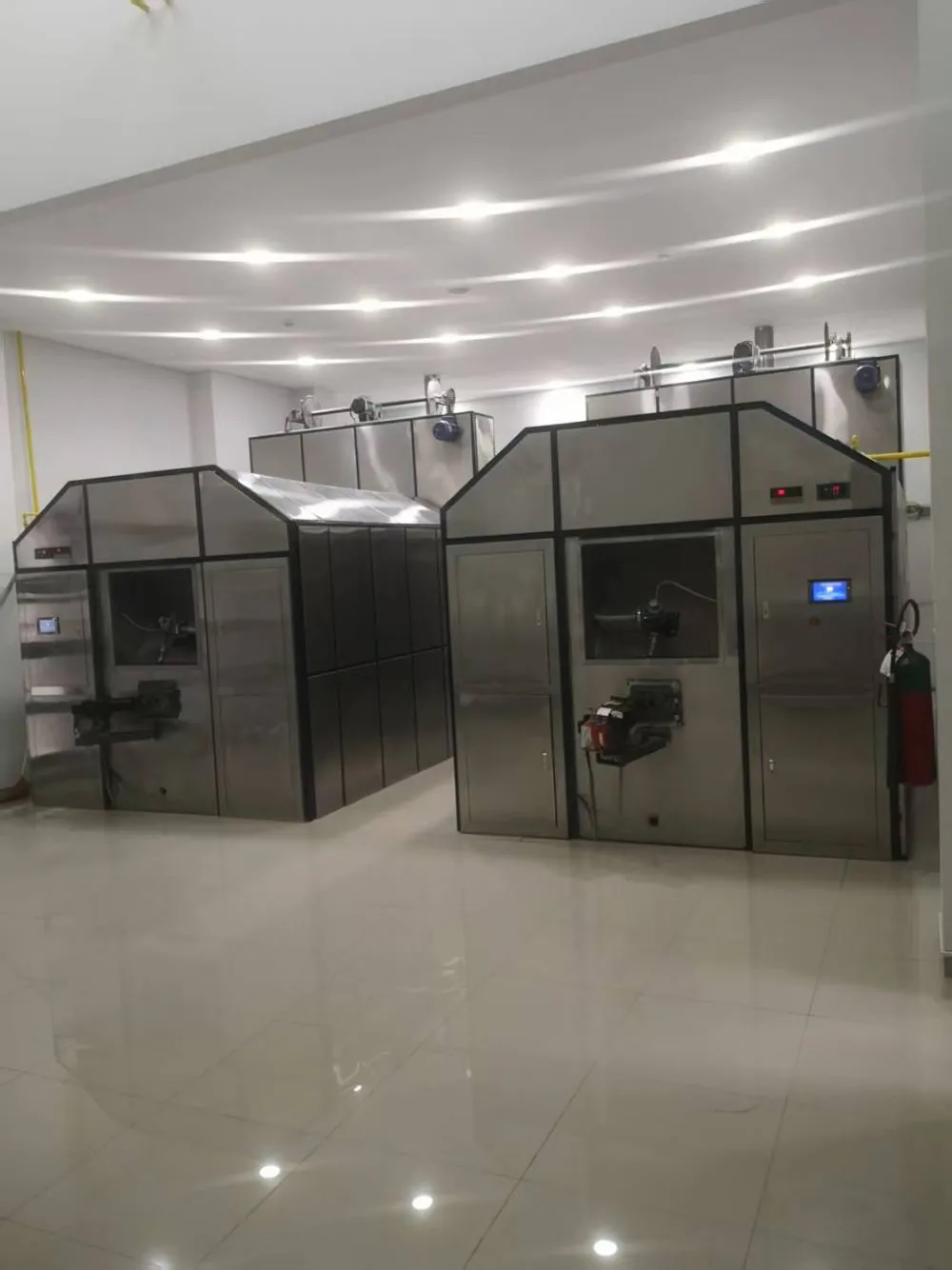
Stainless steel is the backbone of modern cremation equipment — it forms the outer shell, flue ducts, heat exchangers, scrubber bodies, and control enclosures. Yet the word "stainless" is misleading: every grade resists corrosion in some environments and fails in others. Choosing the wrong grade can shorten equipment life by years, increase maintenance cost, and compromise emission compliance when corrosion breaches the gas path.
This article explains how the corrosive environment inside a crematorium works, compares the stainless grades commonly used in cremation equipment, and maps each grade to the components where it belongs. The goal is to give buyers a checklist they can use when reviewing a quotation or a factory's material specification.
1. Why Stainless Steel Matters in Cremation Equipment
Cremation equipment operates in an unusually aggressive environment. Inside the chambers, temperatures exceed 900°C and attack the refractory rather than the steel. But outside the refractory, a different battle is fought: combustion produces hydrogen chloride, sulfur oxides, and moisture, which condense into acidic films on cooler metal surfaces.
Add to this the chlorides released from the cremation process itself. Human remains contain significant sodium chloride, and coffin materials and clothing add further chlorides to the flue stream. When these chlorides meet condensed moisture on a steel surface, they form a corrosive electrolyte that attacks the metal continuously, even when the equipment appears clean and dry.
The stainless shell of a cremator is therefore not cosmetic. It is the last barrier protecting the structure, the insulation, and the environment from the process inside. A grade mismatch here converts a decade-scale investment into a repair cycle measured in years.
2. The Corrosion Environment Inside a Crematorium
Corrosion in cremation equipment concentrates in four zones, each with its own chemistry. The flue gas path carries hot acids at temperatures of roughly 150°C to 400°C after treatment. The scrubber and condensing zones expose metal to wet, chloride-rich liquids at pH levels that can fall below 2.
The outer shell experiences splash, humidity, and cleaning chemicals, while coastal sites add airborne salt to every surface. The most damaging mechanism is pitting corrosion — localized attack that creates deep holes while the surrounding metal looks healthy. Pitting is driven by chloride concentration and temperature, and it is the reason grade 304 fails in wet flue zones where grade 316 or higher survives.
The most damaging mechanism is pitting corrosion — localized attack that creates deep holes while the surrounding metal looks healthy. Pitting is driven by chloride concentration and temperature, and it is the reason grade 304 fails in wet flue zones where grade 316 or higher survives. Stress corrosion cracking is the second risk, occurring when tensile stress, chlorides, and elevated temperature combine, most commonly at welded joints and sharp bends.
Buyers should note that the corrosion environment varies by installation. A facility near the sea, or one burning a high proportion of coffins with varnished finishes, produces a more aggressive atmosphere than an inland site handling plain wooden coffins. The material specification should reflect the actual site, not a generic default.
3. Common Stainless Grades Used in Cremation Equipment
Five grades dominate cremation equipment construction. Their differences come down to chromium, nickel, molybdenum, and titanium content, which drive corrosion resistance and high-temperature performance. The comparison below shows typical applications and limitations.
| Grade | Key Alloying Elements | Typical Use | Limitation |
|---|---|---|---|
| 304 / 304L | 18% Cr, 8% Ni | Control cabinets, frames, dry zones | Pits in wet chloride zones |
| 316 / 316L | 16% Cr, 10% Ni, 2% Mo | Flue ducts, scrubber bodies, wash zones | Limited at high temperature |
| 321 | 18% Cr, 10% Ni, Ti | Heat exchangers, hot flue sections | Costlier than 316 |
| 310S | 25% Cr, 20% Ni | High-temperature ducting near chambers | Expensive, less available |
| 2205 Duplex | 22% Cr, 5% Ni, 3% Mo | Wet scrubber internals, aggressive zones | Highest cost, needs specialist welding |
4. Grade Selection by Component
No single grade is optimal for every part of a cremation system. The correct approach is to match the grade to the corrosion mechanism at each location. The table below is a practical starting point that we use when reviewing material specifications with factories.
| Component | Corrosion Risk | Recommended Grade |
|---|---|---|
| Outer shell (dry zones) | Low–moderate | 304L |
| Outer shell (coastal or humid site) | High | 316L |
| Flue ducts before scrubbing | Moderate, hot | 321 or 316L |
| Scrubber / quench vessel | Severe, wet, acidic | 316L or 2205 |
| Heat exchanger tubes | Thermal + chloride | 321 |
| High-temperature ducting | Oxidation | 310S |
| Control enclosure | Low | 304L |
A common cost-saving shortcut is to build the whole machine in 304 and upgrade just the visible flue sections. In our experience at Jinjiben, this saves a small fraction of the total equipment price while moving corrosion risk into the most expensive-to-repair parts of the plant. The premium for 316L over 304L is typically in the range of 15% to 30% on the affected components, which is modest relative to the cost of replacing a failed scrubber.
5. Galvanic Corrosion and Weld Joint Integrity
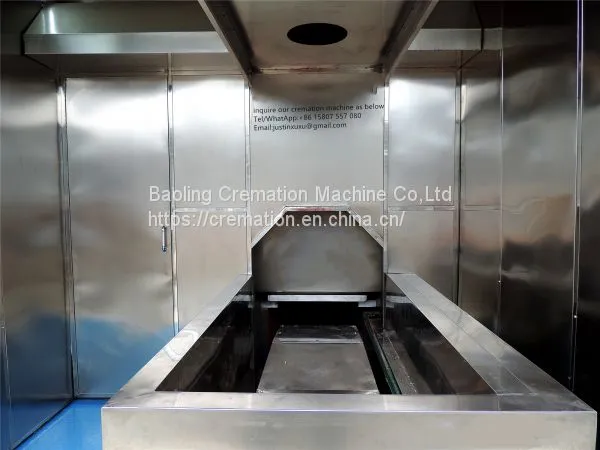
Even a correct grade selection fails if the fabrication introduces new corrosion risks. Two are worth naming. Galvanic corrosion occurs when dissimilar metals are joined in the presence of an electrolyte — a stainless flange bolted to a carbon steel pipe, for example — and the less noble metal corrodes preferentially at the junction.
Welded joints are the second trouble spot. Welding destroys the chromium-rich protective layer at the heat-affected zone, and if the weld filler metal has lower alloy content than the base metal, the joint becomes the weak point. Standard practice in quality fabrication is to use matching or over-alloyed filler, then pickle and passivate the weld area to restore the protective oxide film.
Buyers can verify fabrication quality without laboratory equipment. A passivated weld should show a dull, uniform surface rather than rainbow-colored heat tints. A quick test with a commercial passivation testing kit can confirm that the oxide layer was restored. These simple checks at factory acceptance testing catch most corrosion-related fabrication defects before shipment.
6. Stainless Steel vs. Carbon Steel vs. Coated Steel
Some budget-tier cremation equipment uses carbon steel with high-temperature paint or galvanized coating in non-critical zones. For a machine that will operate for a decade or more, this trade-off deserves scrutiny. The comparison below shows where each material belongs.
| Material | Advantage | Risk in Cremation Service |
|---|---|---|
| Stainless steel | Corrosion resistance, long life, cleanable | Higher material cost |
| Carbon steel (painted) | Low cost | Coating damage accelerates rust |
| Galvanized steel | Low cost, decent dry-zone life | Zinc degrades above roughly 200°C |
| Coated steel in wet zones | Initial cost saving | Coating holidays lead to rapid pitting |
Painted carbon steel can perform acceptably in dry, indoor zones where temperatures stay moderate. It becomes a liability in the flue path, where moisture and acids attack any scratch or coating holiday. Galvanized steel should never be used in high-temperature zones: zinc begins to volatilize around 200°C and can deposit on downstream components.
Our sourcing team at Jinjiben Trading routinely flags quotations where the material table lists "steel" without a grade. If a supplier cannot state the grade and thickness for each major component, the specification is incomplete, and the gap will surface later as maintenance cost.
7. Thickness and Fabrication Quality
Grade determines corrosion resistance; thickness determines structural life. Outer shells and flue ducts in cremation equipment commonly use sheet metal of roughly 2 to 4 mm, with heavier plate of 6 to 10 mm at structural mounts and flue supports. Under-specifying thickness saves little money but shortens fatigue life where vibration or thermal movement is present.
Fabrication quality shows in corners and penetrations. Sharp-edged bends trap cleaning chemicals and condensation; radiused corners drain better and resist pitting. Welds should be continuous where the gas path is internal, and fasteners in the shell should be sealed to prevent moisture tracking into the insulation layer.
Thermal expansion is another reason to inspect details. Flue ducts operate over a wide temperature range, and a straight rigid connection between the chamber and the stack will fatigue at its anchor points. Quality designs include bellows or slip joints at intervals of roughly 3 to 6 meters to absorb expansion. These details are cheap at the factory and expensive to retrofit on site.
8. Testing and Verification Before Purchase
Material verification is one of the few checks a buyer can perform objectively before shipment. The most practical method is a portable X-ray fluorescence (XRF) analyzer, which identifies alloy composition within seconds. A qualified inspector can sample the shell, flue sections, and scrubber vessel to confirm the grade matches the specification sheet.
Where XRF is not available, mill test certificates provide a documentary trail. Buyers should request certificates for the batches used in the equipment, and should treat a missing certificate as a red flag rather than an administrative gap. For scrubbers and wet components, some buyers also request a ferrite measurement on welds to confirm corrosion-resistant weld microstructure.
At factory acceptance testing, material checks should be written into the inspection protocol alongside the functional tests. Hunan Jinjiben Trading Co Ltd includes grade verification in its standard FAT checklist for cremation equipment, because material defects are the least visible and most expensive to remedy after the machine is installed overseas.
9. Cost Considerations and Lifecycle Impact
Stainless grade choices add a modest premium to purchase price but a large swing to lifecycle cost. Upgrading flue and scrubber components from 304 to 316L typically adds roughly 3% to 8% to the equipment invoice. The payoff appears in maintenance: corrosion failures are usually discovered after they affect performance or emissions, by which point the repair involves replacement parts, freight, and site labor.
It is worth modeling the difference. In lifecycle projections we run at Jinjiben, a machine built with 304 throughout may require flue section replacement after roughly 6 to 9 years in a humid or coastal site, while a 316L-specified unit can serve 12 to 15 years before major rework. The replacement event typically costs several times the original upgrade premium, before counting downtime.
We advise buyers to treat the material table in a quotation as a negotiation item, not a fixed detail. Asking for a grade-by-component breakdown forces the supplier to think through the design, and it gives the buyer a document that can be verified at inspection. Suppliers who resist this request often have little to hide — but the ones who welcome it usually have a stronger design to show.
10. Frequently Asked Questions About Stainless Steel in Cremation Equipment
10.1 Is grade 304 stainless steel acceptable for cremation equipment?
Grade 304 is acceptable for dry zones such as control enclosures, frames, and the exterior shell in inland, low-humidity sites. It is not recommended for flue ducts, scrubber vessels, or any surface that contacts condensation from the flue gas stream, where chloride pitting will develop over time. Buyers should match the grade to the corrosion zone rather than accept a single grade for the whole machine.
10.2 What is the difference between 304L and 316L in practice?
The practical difference is the 2% molybdenum content in 316L, which sharply improves resistance to chloride pitting and stress corrosion cracking. In a crematorium, this matters in the wet treatment stages and in coastal environments. The material cost difference is roughly 15% to 30% on the affected components, which is small compared with the cost of replacing a corroded scrubber or flue section.
10.3 Can stainless steel be repaired after corrosion develops?
Localized corrosion can sometimes be ground out and re-welded if caught early, but pitting and stress corrosion damage in load-bearing or gas-path components usually requires section replacement. Repairs also carry the risk of residual chloride contamination in adjacent metal. Prevention through correct grade selection and passivation is consistently cheaper than any repair path.
10.4 How can a buyer verify the stainless grade before shipment?
The most reliable method is portable X-ray fluorescence (XRF) testing at the factory, which identifies alloy composition in seconds. Mill test certificates for the material batches provide documentary evidence where XRF is unavailable. Buyers should include grade verification in the factory acceptance testing protocol and sample the flue, scrubber, and shell components specifically.
Recently Posted
-
International Emission Standards for Cremation: EU Directive 2010/75/EU, US EPA, and China GB 13801
September 3, 2026Some time ago, a buyer in Latin America ordered a cremation furnace that met the emission limits of his own country' Read More
 -
Cremation Equipment Categories: Stationary, Mobile, and Container-Based Systems Compared
September 2, 2026Some time ago, a regional funeral association in Southeast Asia purchased a stationary cremator for a community that had just appr Read More
 -
Hunan Jinjiben Trading Co., Ltd.: Your Partner for Cremation Equipment Sourcing from China
August 14, 2026When a funeral industry buyer begins searching for cremation equipment from China, the landscape can feel overwhelming. Hundreds o Read More
 -
Cremation Equipment for Municipal Crematoriums: High-Volume Solutions for Urban Population Centers
August 13, 2026A municipal crematorium in a Southeast Asian city of roughly two million people found itself operating at 130% of its design capac Read More

Contact Us
Recommended Products
-
 Human Cremation Machine Electric Crematorium Machine With 100kg/H Capacity and 18kw Power Crematory EquipmentNegotiableMOQ: 1 Piece
 -
220V/380V Full Automatic Human Crematorium Cremation Machine New Crematory Furnace 18kW Power PLCNegotiableMOQ: 1 Piece
-
New Full Automatic Human Crematory Incinerator Oven No Smoke Cremation Machine Crematory Equipment Crematorium MachineNegotiableMOQ: 1 Set
-
Electric Human Crematorium Machine Full Automatic Cremation Incinerator Indonesia Extra Large Coffin Cremation Electric Human Crematory MachineNegotiableMOQ: 1 Piece
-
Extra Large Coffin Cremation Machine New Technology Human Crematorium Furnace Full Automatic 100kg/h 5-Year WarrantyNegotiableMOQ: 1 Set
-
Human Cremation Machine for Sale Full Automatic Model USA TypeNegotiableMOQ: 1 Set
-
220V/380V Full Automatic Human Crematorium Cremation Machine Crematory Furnace 18kW Power PLC ControlNegotiableMOQ: 1 Set
-
Automatic Human Cremation Machine No Smell No Smoke Latest Human Cremation Technology 50/60HZ Diesel LPG CremationNegotiableMOQ: 1 Set
-
Automatic Human Crematorium Incinerator Crematory Furnace Human Cremation Machine for Wood Coffin CremationUS$ 66000MOQ: 1 Set
-
Electric Human Crematory Machine Cremation Machine No Smoke Crematorium Incinerator Cremation EquipmentUS$ 55000MOQ: 1 Combo
-
220V/380V Full Automatic Human Crematorium Cremation Machine New Crematory Furnace 18kW Power PLC Core Refractory Material 1NegotiableMOQ: 1 Set
-
Cremation Machine Burn Human Body Electrical Crematorium Machine Cremator Crematoria Europe StandardUS$ 5MOQ: 1 Set
-
Cremation System Cremation Oven Fired by Natural Gas no Smoke Human Crematorium Incinerator Crematory EquipmentNegotiableMOQ: 1 Piece
-
Cremation Equipment for Sale Eu Standard Environmental Friendly no Smoke Quick Burning Fast Short Time Cremation Machine No SmellUS$ 1 - 10MOQ: 1 Set
-
Crematorium Oven Machine Container Burn Human Body Mobile Furnace for Sale Crematory Incinerator Cremation Machine Crematory EquipmentUS$ 1 - 10MOQ: 1 Set
-
Container Crematory System Burn Human Death Body Crematoria Emergency Human Cremation Machine Crematorium IncineratorUS$ 1 - 10MOQ: 1 Set
-
Cremation Machine for Australia Market no Smell Human Crematory Machine Automatic Loading Conveyor Cremation EquipmentNegotiableMOQ: 1 Set
-
Global Top Supplier of Crematory Equipment Human Cremators Crematory Equipment Cremation Unit no Smell no SmokeNegotiableMOQ: 1 Kilogram
-
Cremation Machine Human Crematory Burner Equipment Furnace on Wheels Cremation Machine no Smoke USA StandardUS$ 1 - 10MOQ: 1 Piece
-
Automatic Cremation Machine Crematory Equipment for Human Crematorium Equipment Europe Standard EmissionUS$ 1 - 10MOQ: 1 Piece