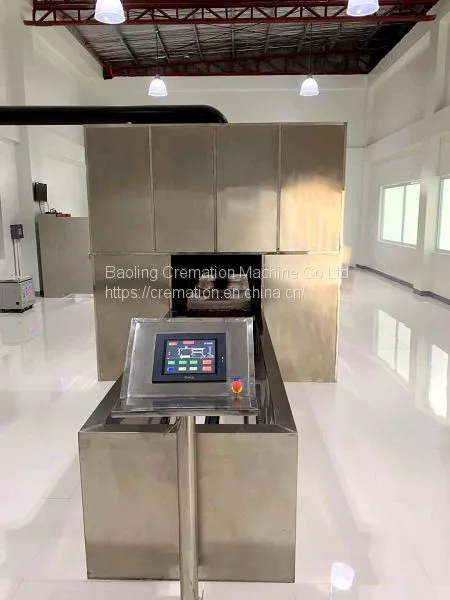

 Business License

Cremation Solutions for Rural and Remote Funeral Homes: Low-Infrastructure Equipment Options
Not long ago, a funeral home in a rural district several hours from the nearest large city faced a dilemma. The community had decided to offer cremation, but the district had no natural gas pipeline, the grid delivered power intermittently, and the budget could not support a full municipal-scale plant. The operator assumed cremation equipment was simply out of reach. In fact, the opposite was true: a compact, diesel-fired unit with its own power strategy was available and could be operational within weeks of site preparation.
Rural and remote funeral homes operate under a different set of constraints than their urban counterparts. Distance from service centers, unreliable utilities, limited budgets, and lower but steady demand all shape the equipment decision. The good news is that cremation equipment has evolved specifically for these conditions — smaller footprints, fuel flexibility, simplified controls, and configurations that tolerate weak power infrastructure.
This article explains how to plan cremation services for a low-infrastructure site: what to look for in the equipment, how to solve power and fuel supply, and which platform choice — stationary, container, or mobile — fits different rural situations.
1. What "Low-Infrastructure" Means for Cremation Equipment
Low infrastructure is not a single condition; it is a combination of constraints that appear in different proportions at different sites. The most common are unstable electricity, limited fuel supply chains, lack of piped gas, restricted space, and a long distance to spare parts or technicians.
Each constraint changes the equipment specification. Unstable power pushes buyers toward machines with lower electrical demand and robust control protection. Limited fuel choice favors dual-fuel burners or diesel firing. Distance from service favors designs with fewer wearing parts and standardized components that any local mechanic can source.
The key planning principle is to design the whole system — equipment, power, fuel, and maintenance — around the weakest link at the site. A cremator with excellent emissions performance is useless if its control system cannot survive voltage fluctuations, just as a fuel-efficient burner is useless if its fuel cannot be delivered.
2. Power Supply Options for Unstable Grids
Electrical demand is the first thing to minimize in a remote installation. A compact cremator with direct burner control, rather than heavy electric heating, draws roughly 15 to 35 kW during operation. Compare this with the 40 to 80 kW required by some automated municipal machines, and the difference determines whether a modest generator is sufficient.
Three power strategies are common in remote sites. The first is a dedicated diesel generator sized at roughly 1.3 to 1.5 times peak load, which covers both the cremator and the building's lighting and ventilation. The second is a battery-backed system that keeps the control system alive through short outages — the burner flame safety circuit must never lose power mid-cycle. The third, increasingly viable in sunny regions, is a solar-hybrid arrangement that runs low-power equipment during daylight and reserves generator hours for cremation cycles.
A practical rule we apply at Jinjiben Trading is to keep the cremator's electrical requirement below roughly 40 kW total wherever possible. This keeps generator sizing affordable, reduces fuel cost for power generation, and widens the range of portable generators available locally.
3. Fuel Flexibility: Diesel, LPG, and Delivery Logistics
Fuel choice in rural areas is dictated by what can actually be delivered, not by what is cheapest per unit of energy. Diesel is the most universally available fuel in remote regions because it powers agricultural equipment, trucks, and generators. LPG is common where cylinder distribution networks exist. Natural gas is rarely available outside pipeline corridors.
For this reason, rural-oriented crematory equipment is most often specified with diesel or dual-fuel burners. A dual-fuel burner adds roughly 8% to 15% to the burner cost but lets the operator switch between LPG and diesel as supply and price fluctuate — a meaningful hedge in markets where fuel availability varies by season.
Fuel storage needs planning too. A rural facility running 2 to 4 cycles per week consumes roughly 20 to 50 liters of diesel per week, which means a 500 to 1,000 liter tank provides two to four months of buffer. Buyers should confirm that local regulations permit on-site storage at the required volume, and that the delivery route is passable year-round.
4. Compact Equipment Design for Limited Space
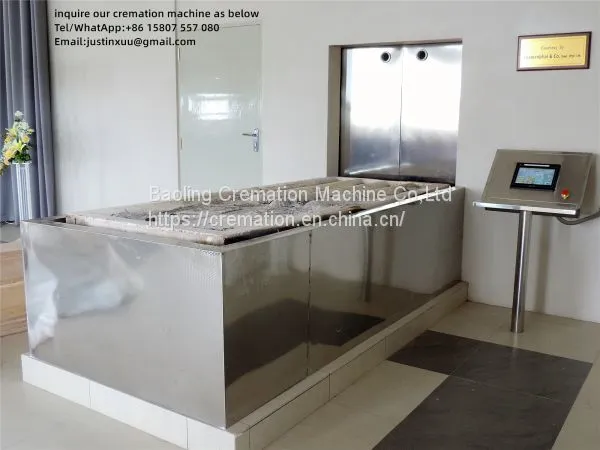
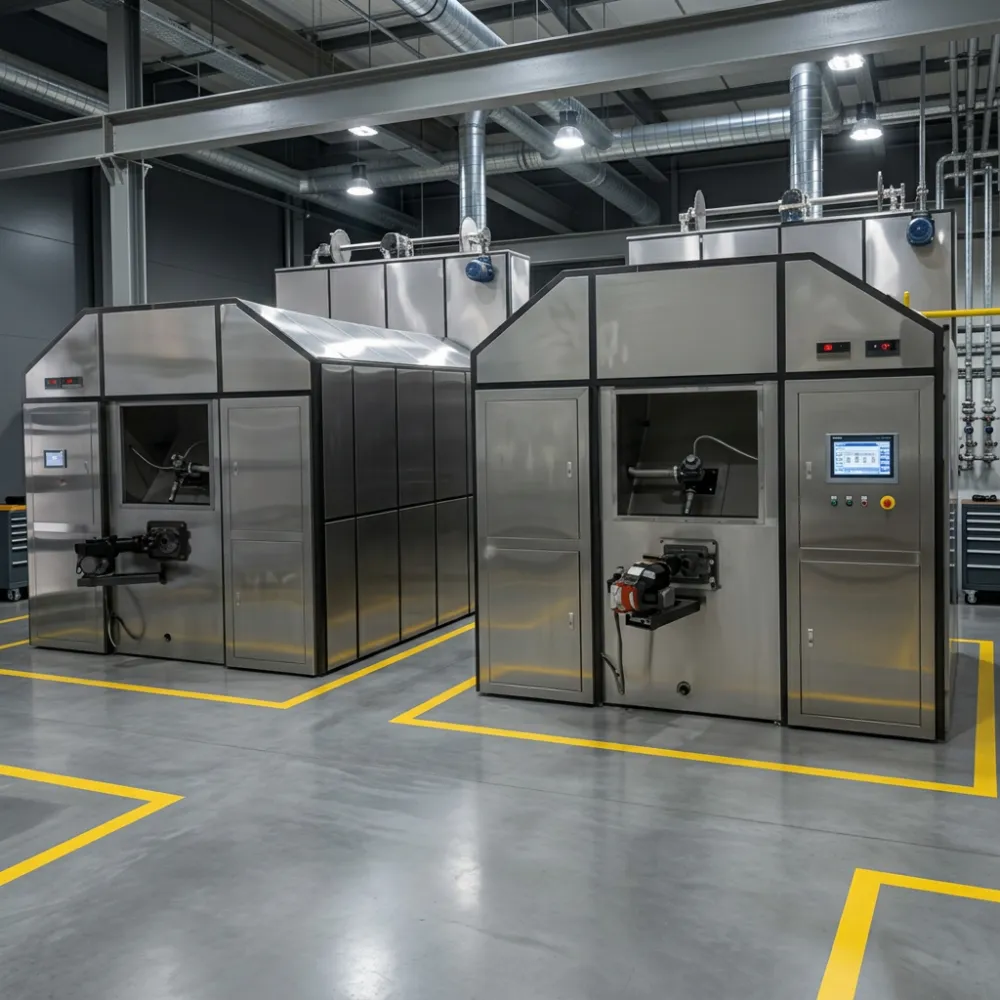
Rural funeral homes rarely have a purpose-built crematorium hall. Equipment often must fit into an existing building, a converted warehouse, or a modest extension. Compact design is therefore a specification priority, not a convenience.
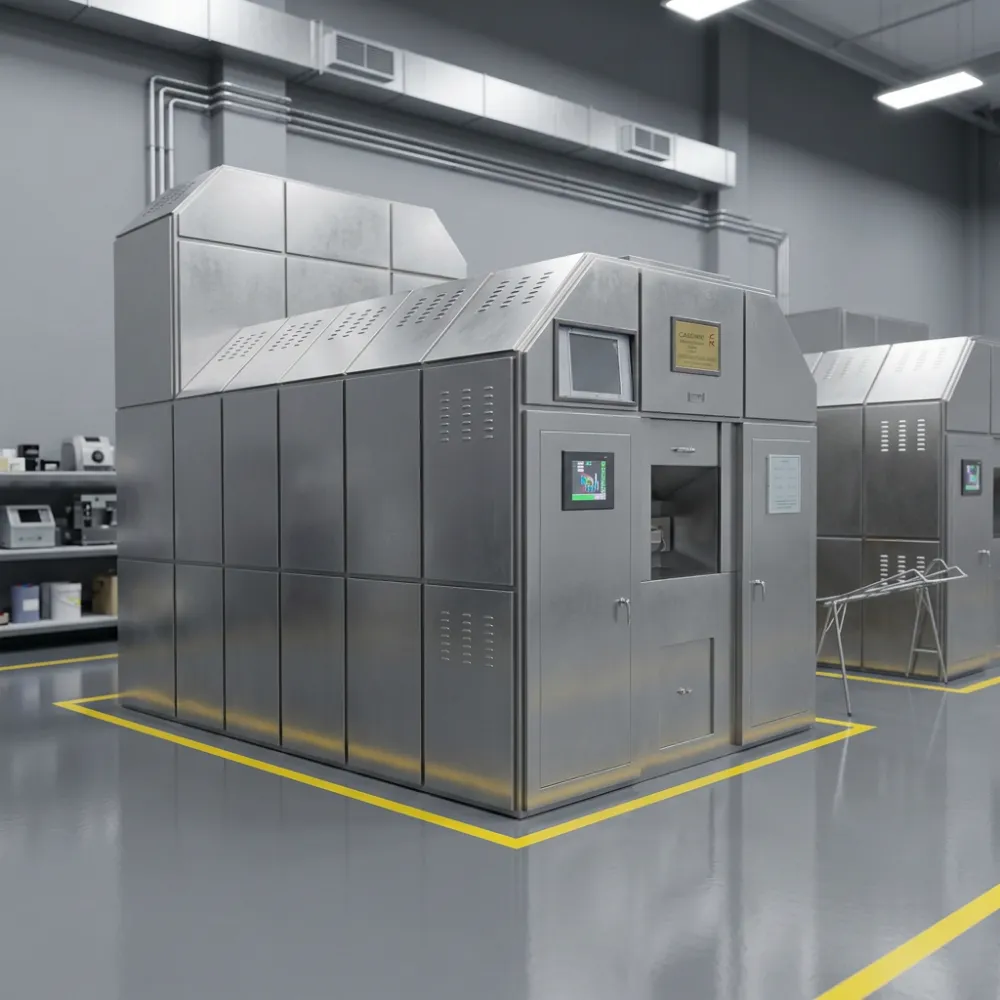
Typical compact cremators occupy a footprint of roughly 4 to 8 square meters for the furnace itself, with the flue treatment adding another 2 to 4 square meters depending on the configuration. Ceiling height is also a constraint: chamber and stack designs can be arranged to suit buildings with limited vertical clearance.
The table below shows typical space and utility requirements for a compact rural unit compared with a standard municipal machine. These figures help buyers check their building before ordering.
| Requirement | Compact Rural Unit | Standard Municipal Unit |
|---|---|---|
| Furnace footprint | 4–8 m² | 10–15 m² |
| Flue treatment footprint | 2–4 m² | 6–10 m² |
| Electrical demand | 15–35 kW | 40–80 kW |
| Chimney height | 8–12 m | 15–25 m |
| Daily capacity | 2–4 cycles | 4–8 cycles |
5. Water and Emission Constraints in Remote Sites
Emissions treatment in remote areas involves a trade-off that buyers should make consciously. The full treatment train — baghouse filter, activated carbon injection, and catalytic reduction — is physically large and electrically demanding. Compact rural units typically rely on a well-designed secondary chamber plus a simpler filtration stage, which meets national standards in most countries but may not satisfy the strictest regional limits.
Water is another often-overlooked constraint. Some treatment configurations, particularly wet scrubbers, consume significant water and produce wastewater that must be managed. In dry regions, dry injection and baghouse filtration are preferable precisely because they eliminate the water supply problem. Buyers should confirm their water situation with the equipment specification before finalizing the treatment approach.
Stack placement also deserves early attention. In a flat, open rural area, a relatively low stack of 8 to 12 meters may disperse emissions adequately. In a valley or an area with temperature inversions, dispersion is worse and a taller stack or better filtration is required. Local environmental authorities can advise on the acceptable configuration for the specific site.
6. Cost and Operating Economics for Low-Volume Facilities
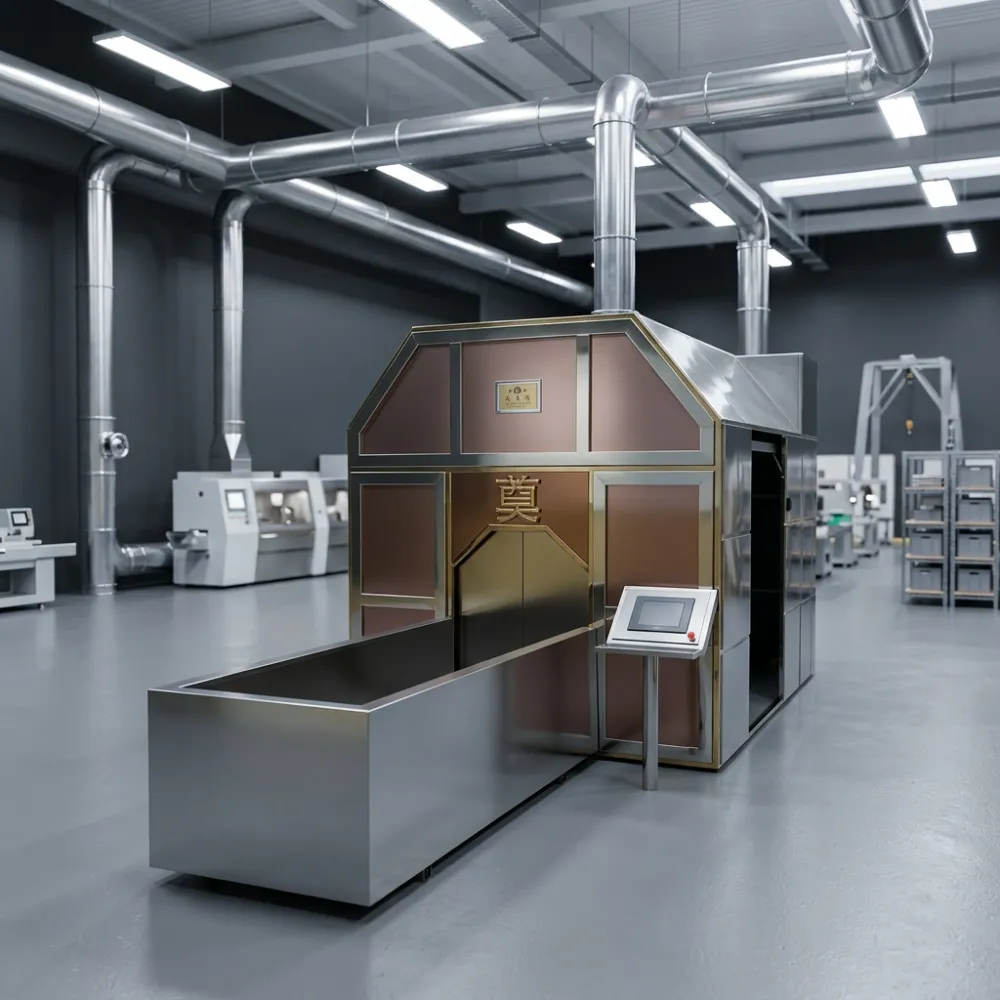
Rural facilities run fewer cycles, so the economics look different from urban crematoriums. Fixed costs — equipment depreciation, insurance, and licensing — must be recovered from a smaller number of cremations, which makes purchase price and durability more important relative to fuel efficiency.
The table below summarizes typical monthly economics for a rural facility running 3 cycles per week. Figures are indicative ranges, since diesel prices and staffing costs vary widely between regions.
| Cost Item | Typical Monthly Range | Share of Total |
|---|---|---|
| Fuel (diesel or LPG) | USD 150–400 | 25–35% |
| Maintenance and spares | USD 50–150 | 10–15% |
| Power generation | USD 80–200 | 15–20% |
| Staff and overhead | USD 300–600 | 30–40% |
From the lifecycle work we do at Jinjiben, the key insight is that fuel is not the dominant cost at low volume; staffing and overhead are. This has a direct implication for equipment choice: a machine that reduces operator workload — simpler loading, fewer manual adjustments, easier ash handling — contributes more to rural profitability than marginal fuel efficiency. Buyers should weigh automation and ease of operation at least as heavily as fuel consumption figures.
7. Installation and Maintenance in Remote Locations
Distance changes the maintenance equation. A factory technician who can reach an urban customer in two days may need two weeks to reach a remote site, considering transport, visas, and seasonal road conditions. Equipment for remote service should therefore be designed for local maintainability.
Three features matter most. First, modular construction: assemblies that can be replaced rather than repaired in place, so a local mechanic with basic tools can swap a burner module or control board. Second, standardized components: burners, valves, thermocouples, and sensors sourced from globally available brands that can be ordered from any major distributor. Third, remote diagnostics: a modem-equipped control system that lets the factory diagnose faults from afar, so many service visits can be avoided entirely.
We typically recommend that remote buyers purchase a starter spare parts kit sized for two years of operation, rather than relying on emergency shipments. The kit covers the components most likely to wear — gaskets, thermocouples, igniters, filters, and a spare control board — and typically costs roughly 5% to 8% of the equipment price. Hunan Jinjiben Trading Co Ltd prepares these kits for rural customers as part of the supply agreement.
8. Choosing Between Stationary, Container, and Mobile Platforms
All three platform categories discussed in the broader cremation equipment landscape apply to rural settings, but with different weights. A compact stationary installation suits a community with confirmed long-term demand and a building permit. A container-based plant suits a site where speed matters and the building is not ready. A mobile unit suits a service provider covering several small communities that cannot each justify their own facility.
For rural areas specifically, the container platform has a distinctive advantage: it arrives as a complete, tested plant, minimizing the need for local construction skills. The buyer can place it on a concrete pad, connect fuel and power, and commission it within weeks. If the community later grows, the container can remain as a supplementary unit or be relocated.
At Jinjiben, we have seen rural operators succeed with all three platforms; the failures we have observed trace back to mismatches, such as buying a mobile unit for a fixed community or a stationary plant where demand was unproven. Matching the platform to demand certainty, as described in the category comparison article, applies with even greater force in rural settings where capital is harder to recover.
9. Planning Considerations and Common Pitfalls
A rural cremation project succeeds or fails in the planning phase, before any equipment is ordered. The checklist below reflects the issues that recur in remote installations across different regions.
| Planning Item | Why It Matters |
|---|---|
| Confirm electricity stability with data | Determines generator and UPS sizing |
| Verify fuel supply year-round | Seasonal roads can cut deliveries |
| Check chimney dispersion with authorities | Avoids rework after installation |
| Plan for local operator training | Factory training may be a one-off visit |
| Budget a two-year spares kit | Emergency freight to remote sites is slow |
| Secure a local service partner | Shortens response from weeks to days |
The most common pitfall is under-sizing power. Operators who assume grid power will be adequate, and skip the generator, discover the problem on the first brownout. The second most common is over-specifying emissions hardware that the local fuel quality or water supply cannot sustain. Both are avoidable with a site audit before the specification is finalized.
10. Frequently Asked Questions About Rural Cremation Equipment
10.1 Can cremation equipment run on a diesel generator?
Yes. Compact cremators with direct burner control typically draw roughly 15 to 35 kW, which a standard industrial generator can supply. The key requirement is a stable power source for the flame safety and control circuits — a battery-backed UPS is recommended so that brief outages do not interrupt a cycle mid-process. Generator sizing should include the building's auxiliary loads, not just the cremator.
10.2 What is the smallest cremation equipment footprint available?
Compact units for human cremation typically need roughly 4 to 8 square meters for the furnace plus 2 to 4 square meters for simplified flue treatment, with chimney heights of 8 to 12 meters. Container-based plants combine everything into a standard shipping container footprint. Pet cremation units are smaller still, but human-rated equipment cannot be downsized below the chamber dimensions that the process requires.
10.3 How much fuel does a rural crematorium use?
A rural facility running 2 to 4 cremations per week consumes roughly 20 to 50 liters of diesel per week, or the LPG equivalent of roughly 15 to 35 kilograms. A 500 to 1,000 liter storage tank provides a two-to-four-month buffer against supply interruptions. Actual consumption varies with coffin type, chamber condition, and the number of cold starts.
10.4 Do rural sites need the same emissions equipment as cities?
The emission limits that apply are set by national or regional law, not by the size of the community. What changes is the physical depth of treatment hardware that a compact unit can host. Rural buyers should check the applicable limits with local authorities, and where limits are strict, plan for the larger footprint of a full treatment train or a container platform that accommodates it.
Recently Posted
-
Factory Acceptance Testing for Cremation Equipment: Inspection Protocols Before International Shipme
September 4, 2026Not long ago, a funeral company imported a cremation machine after a brief video call with the manufacturer. The quotati Read More
 -
International Emission Standards for Cremation: EU Directive 2010/75/EU, US EPA, and China GB 13801
September 3, 2026Some time ago, a buyer in Latin America ordered a cremation furnace that met the emission limits of his own country' Read More
 -
Stainless Steel in Cremation Equipment Construction: Grade Selection for Durability and Corrosion Re
September 3, 2026A while back, an operator in a coastal city reported recurring pitting on the outer shell of a cremator that was just four years o Read More
 -
Cremation Equipment Categories: Stationary, Mobile, and Container-Based Systems Compared
September 2, 2026Some time ago, a regional funeral association in Southeast Asia purchased a stationary cremator for a community that had just appr Read More

Contact Us
Recommended Products
-
 Human Cremation Machine Electric Crematorium Machine With 100kg/H Capacity and 18kw Power Crematory EquipmentNegotiableMOQ: 1 Piece
 -
220V/380V Full Automatic Human Crematorium Cremation Machine New Crematory Furnace 18kW Power PLCNegotiableMOQ: 1 Piece
-
New Full Automatic Human Crematory Incinerator Oven No Smoke Cremation Machine Crematory Equipment Crematorium MachineNegotiableMOQ: 1 Set
-
Electric Human Crematorium Machine Full Automatic Cremation Incinerator Indonesia Extra Large Coffin Cremation Electric Human Crematory MachineNegotiableMOQ: 1 Piece
-
Extra Large Coffin Cremation Machine New Technology Human Crematorium Furnace Full Automatic 100kg/h 5-Year WarrantyNegotiableMOQ: 1 Set
-
Human Cremation Machine for Sale Full Automatic Model USA TypeNegotiableMOQ: 1 Set
-
220V/380V Full Automatic Human Crematorium Cremation Machine Crematory Furnace 18kW Power PLC ControlNegotiableMOQ: 1 Set
-
Automatic Human Cremation Machine No Smell No Smoke Latest Human Cremation Technology 50/60HZ Diesel LPG CremationNegotiableMOQ: 1 Set
-
Automatic Human Crematorium Incinerator Crematory Furnace Human Cremation Machine for Wood Coffin CremationUS$ 66000MOQ: 1 Set
-
Electric Human Crematory Machine Cremation Machine No Smoke Crematorium Incinerator Cremation EquipmentUS$ 55000MOQ: 1 Combo
-
220V/380V Full Automatic Human Crematorium Cremation Machine New Crematory Furnace 18kW Power PLC Core Refractory Material 1NegotiableMOQ: 1 Set
-
Cremation Machine Burn Human Body Electrical Crematorium Machine Cremator Crematoria Europe StandardUS$ 5MOQ: 1 Set
-
Cremation System Cremation Oven Fired by Natural Gas no Smoke Human Crematorium Incinerator Crematory EquipmentNegotiableMOQ: 1 Piece
-
Cremation Equipment for Sale Eu Standard Environmental Friendly no Smoke Quick Burning Fast Short Time Cremation Machine No SmellUS$ 1 - 10MOQ: 1 Set
-
Crematorium Oven Machine Container Burn Human Body Mobile Furnace for Sale Crematory Incinerator Cremation Machine Crematory EquipmentUS$ 1 - 10MOQ: 1 Set
-
Container Crematory System Burn Human Death Body Crematoria Emergency Human Cremation Machine Crematorium IncineratorUS$ 1 - 10MOQ: 1 Set
-
Cremation Machine for Australia Market no Smell Human Crematory Machine Automatic Loading Conveyor Cremation EquipmentNegotiableMOQ: 1 Set
-
Global Top Supplier of Crematory Equipment Human Cremators Crematory Equipment Cremation Unit no Smell no SmokeNegotiableMOQ: 1 Kilogram
-
Cremation Machine Human Crematory Burner Equipment Furnace on Wheels Cremation Machine no Smoke USA StandardUS$ 1 - 10MOQ: 1 Piece
-
Automatic Cremation Machine Crematory Equipment for Human Crematorium Equipment Europe Standard EmissionUS$ 1 - 10MOQ: 1 Piece